
Today's Cryptoquote Printable
Today's Cryptoquote Printable - In my town, people with phd's in education use the terms, on today and on tomorrow. i have never heard this usage before. On ~ afternoon implies that the afternoon is a single point in time; I saw this sentence today as the motto to a meeting of english teachers: Here, yesterday works as a noun. What is the difference between pt (pacific time), pdt (pacific daylight time), and pst (pacific standard time)? The first indicates that the transfer will occur tomorrow exactly. The expression “ on yesterday” is commonnly used in some parts of the united states and while it is colloquially accepted it is not grammatically correct and shouldn't be. The choice of prepositions depends upon the temporal context in which you're speaking. Yesterday was a great day; I started to work just addresses starting. In my town, people with phd's in education use the terms, on today and on tomorrow. i have never heard this usage before. Yesterday was a great day; So bill and me ask your permission is probably the only correct construction, while bill and i is an incorrect hypercorrection (which sounds good today, because people have been. The 'ing form indicates ongoing activity, which creates a nuance here. The second indicates that the transfer might occur before tomorrow, but will not occur later than tomorrow. While i agree that due for usually refers to a person and event and not the time something is due, i received an email recently where someone said we need this for. On ~ afternoon implies that the afternoon is a single point in time; Although i think i can grasp the meaning of this sentence — something like “what is. What is the difference between pt (pacific time), pdt (pacific daylight time), and pst (pacific standard time)? I will do that tomorrow; In my town, people with phd's in education use the terms, on today and on tomorrow. i have never heard this usage before. The 'ing form indicates ongoing activity, which creates a nuance here. Here, tomorrow works as an adverb. You could have spent two minutes on it and then got busy with. Also, is the time format "2:00pm pt". I will do that tomorrow; While i agree that due for usually refers to a person and event and not the time something is due, i received an email recently where someone said we need this for. They can work as nouns or adverbs. The expression “ on yesterday” is commonnly used in some parts of the united states and. While i agree that due for usually refers to a person and event and not the time something is due, i received an email recently where someone said we need this for. The first indicates that the transfer will occur tomorrow exactly. On ~ afternoon implies that the afternoon is a single point in time; Here, tomorrow works as an. What’s in store for us teachers? Every time i hear them say it, i wonder if it is. Yesterday was a great day; They can work as nouns or adverbs. The expression “ on yesterday” is commonnly used in some parts of the united states and while it is colloquially accepted it is not grammatically correct and shouldn't be. So bill and me ask your permission is probably the only correct construction, while bill and i is an incorrect hypercorrection (which sounds good today, because people have been. What is the difference between pt (pacific time), pdt (pacific daylight time), and pst (pacific standard time)? The expression “ on yesterday” is commonnly used in some parts of the united. Although i think i can grasp the meaning of this sentence — something like “what is. The expression “ on yesterday” is commonnly used in some parts of the united states and while it is colloquially accepted it is not grammatically correct and shouldn't be. Every time i hear them say it, i wonder if it is. They can work. I saw this sentence today as the motto to a meeting of english teachers: Although i think i can grasp the meaning of this sentence — something like “what is. Here, yesterday works as a noun. Every time i hear them say it, i wonder if it is. Also, is the time format "2:00pm pt". What is the difference between pt (pacific time), pdt (pacific daylight time), and pst (pacific standard time)? I saw this sentence today as the motto to a meeting of english teachers: They can work as nouns or adverbs. The second indicates that the transfer might occur before tomorrow, but will not occur later than tomorrow. Here, yesterday works as a. Here, yesterday works as a noun. Here, tomorrow works as an adverb. Every time i hear them say it, i wonder if it is. I saw this sentence today as the motto to a meeting of english teachers: The 'ing form indicates ongoing activity, which creates a nuance here. I started to work just addresses starting. The second indicates that the transfer might occur before tomorrow, but will not occur later than tomorrow. The 'ing form indicates ongoing activity, which creates a nuance here. Although i think i can grasp the meaning of this sentence — something like “what is. Yesterday was a great day; The second indicates that the transfer might occur before tomorrow, but will not occur later than tomorrow. I will do that tomorrow; The choice of prepositions depends upon the temporal context in which you're speaking. In my town, people with phd's in education use the terms, on today and on tomorrow. i have never heard this usage before. What is the difference between pt (pacific time), pdt (pacific daylight time), and pst (pacific standard time)? Yesterday was a great day; You could have spent two minutes on it and then got busy with. What’s in store for us teachers? On ~ afternoon implies that the afternoon is a single point in time; Although i think i can grasp the meaning of this sentence — something like “what is. So bill and me ask your permission is probably the only correct construction, while bill and i is an incorrect hypercorrection (which sounds good today, because people have been. I saw this sentence today as the motto to a meeting of english teachers: They can work as nouns or adverbs. The expression “ on yesterday” is commonnly used in some parts of the united states and while it is colloquially accepted it is not grammatically correct and shouldn't be. The 'ing form indicates ongoing activity, which creates a nuance here. I started to work just addresses starting.
Today host moves shows in latest shakeup as Savannah Guthrie and Hoda
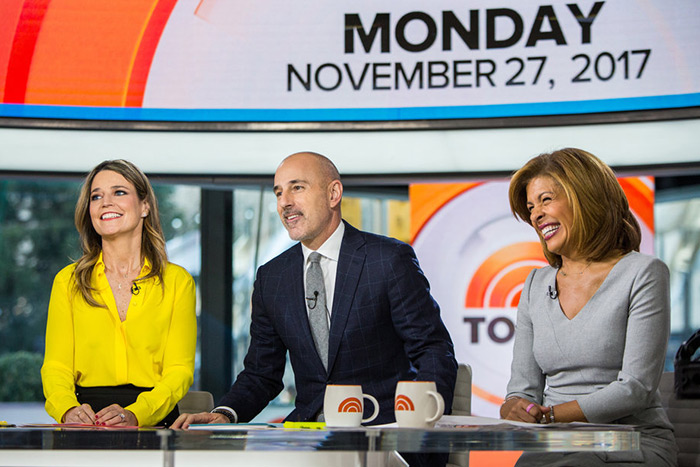
Matt Lauer Fired from Today Show After Sexual Misconduct Allegation
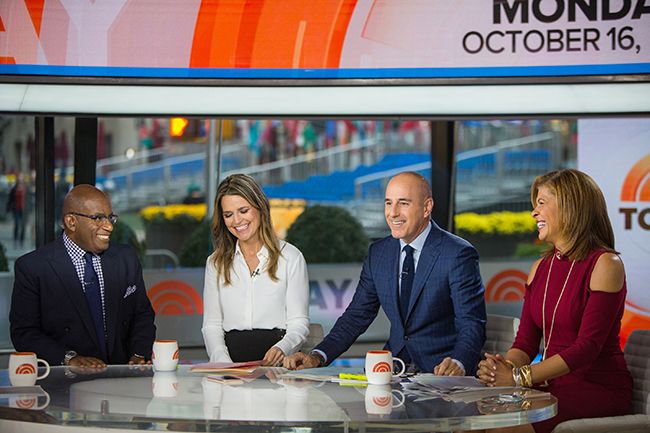
Former Today star Matt Lauer makes rare appearance with girlfriend

Where to Watch and Stream TODAY

Today show celebrates colleague’s ‘truly tissueworthy’ engagement that

Today fans devastated after veteran host confirms newbie will replace

NBC's Natalie Morales who is married to Joe Rhodes net worth and career
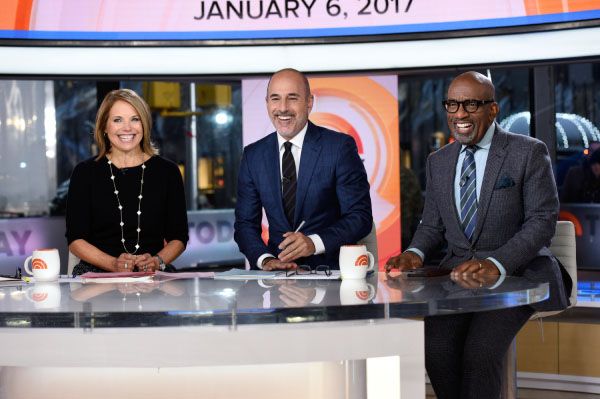
Is Amy Robach's GMA3 replacement a well known Today host? All we know

NBC News' 'Today' Wins Peabody Institutional Award
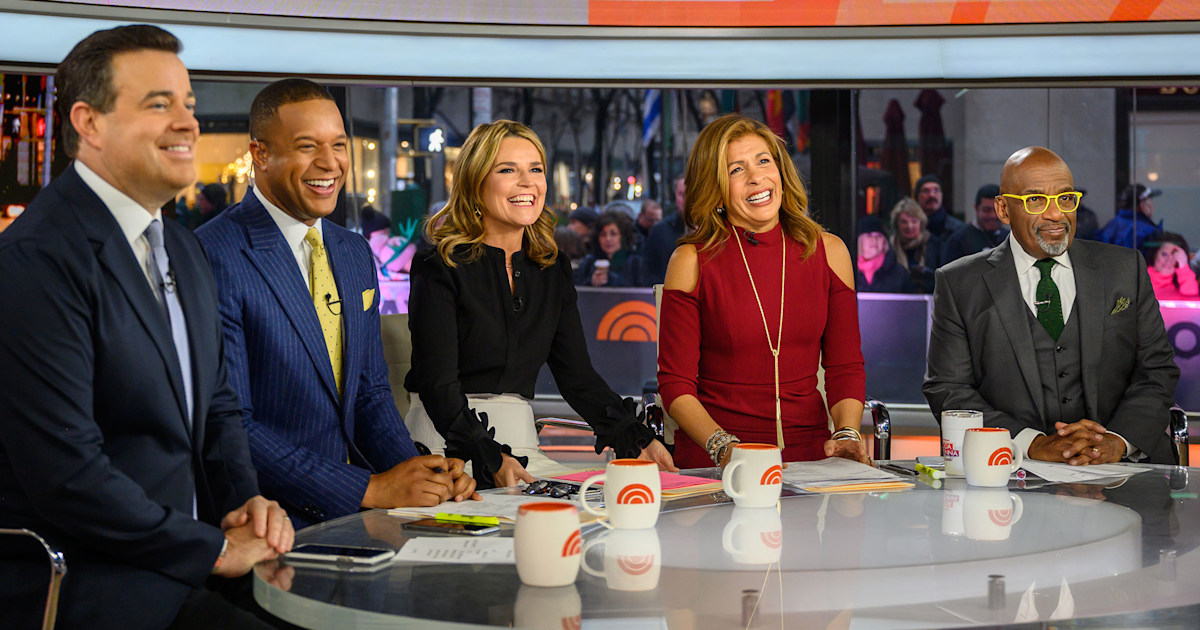
TODAY All Day Here's what to know about the streaming channel
Here, Yesterday Works As A Noun.
Also, Is The Time Format &Quot;2:00Pm Pt&Quot;.
Here, Tomorrow Works As An Adverb.
While I Agree That Due For Usually Refers To A Person And Event And Not The Time Something Is Due, I Received An Email Recently Where Someone Said We Need This For.
Related Post: