
Kawaii Printable Colouring Pages
Kawaii Printable Colouring Pages - In japanese, the word kawaii has a meaning that. Often mentioned alongside anime and manga, kawaii refers to a cultural style that incorporates bright, pastel colors and childlike imagery. It’s an important part of japanese culture and is basically about giving personality. Kawaii (かわいい) is a japanese term and aesthetic referring to the unique concept affirming childlike and pretty things that make your heart flutter. From the meaning of kawaii, its fashion, art, and history, to places to visit, here is all you need to know. What is kawaii, and how has it impacted the world? To be kawaii means to ultimately be cute and therefore, cuteness begins to form its own visual language. In a general sense, cuteness is subjective to each person, however,. 'cute' or 'adorable') is a japanese cultural phenomenon which emphasizes cuteness, childlike innocence, charm, and simplicity. In a broader sense, it describes the culture of celebrating all things adorable and embracing. As a cultural style, kawaii is characterized by bright, pastel colors and childlike, cartoonish imagery. Kawaii style is the japanese artistic and cultural style that emphasizes the quality of cuteness, using bright colours and characters with a childlike appearance. Kawaii culture is a japanese cultural phenomenon that celebrates cuteness through embracing people, objects, and fictional characters that portray youthful innocence, charm, warmth, and. From the meaning of kawaii, its fashion, art, and history, to places to visit, here is all you need to know. To be kawaii means to ultimately be cute and therefore, cuteness begins to form its own visual language. In japanese, the word kawaii has a meaning that. In a broader sense, it describes the culture of celebrating all things adorable and embracing. Kawaii (かわいい) is a japanese term and aesthetic referring to the unique concept affirming childlike and pretty things that make your heart flutter. It’s an important part of japanese culture and is basically about giving personality. Roughly translated as “cuteness,” kawaii is one of the most frequently used japanese words. Kawaii (かわいい) is a japanese term and aesthetic referring to the unique concept affirming childlike and pretty things that make your heart flutter. Kawaii style is the japanese artistic and cultural style that emphasizes the quality of cuteness, using bright colours and characters with a childlike appearance. In a general sense, cuteness is subjective to each person, however,. 'cute' or. As a cultural style, kawaii is characterized by bright, pastel colors and childlike, cartoonish imagery. Often mentioned alongside anime and manga, kawaii refers to a cultural style that incorporates bright, pastel colors and childlike imagery. To be kawaii means to ultimately be cute and therefore, cuteness begins to form its own visual language. Kawaii culture is a japanese cultural phenomenon. Kawaii culture is a japanese cultural phenomenon that celebrates cuteness through embracing people, objects, and fictional characters that portray youthful innocence, charm, warmth, and. In a broader sense, it describes the culture of celebrating all things adorable and embracing. What is kawaii, and how has it impacted the world? To be kawaii means to ultimately be cute and therefore, cuteness. In a broader sense, it describes the culture of celebrating all things adorable and embracing. In japanese, the word kawaii has a meaning that. From the meaning of kawaii, its fashion, art, and history, to places to visit, here is all you need to know. Often mentioned alongside anime and manga, kawaii refers to a cultural style that incorporates bright,. 'cute' or 'adorable') is a japanese cultural phenomenon which emphasizes cuteness, childlike innocence, charm, and simplicity. What is kawaii, and how has it impacted the world? From the meaning of kawaii, its fashion, art, and history, to places to visit, here is all you need to know. It’s an important part of japanese culture and is basically about giving personality.. What is kawaii, and how has it impacted the world? Roughly translated as “cuteness,” kawaii is one of the most frequently used japanese words. Kawaii culture is a japanese cultural phenomenon that celebrates cuteness through embracing people, objects, and fictional characters that portray youthful innocence, charm, warmth, and. From the meaning of kawaii, its fashion, art, and history, to places. Often mentioned alongside anime and manga, kawaii refers to a cultural style that incorporates bright, pastel colors and childlike imagery. Roughly translated as “cuteness,” kawaii is one of the most frequently used japanese words. However, different from the english. In a general sense, cuteness is subjective to each person, however,. Kawaii culture is a japanese cultural phenomenon that celebrates cuteness. In a general sense, cuteness is subjective to each person, however,. In a broader sense, it describes the culture of celebrating all things adorable and embracing. As a cultural style, kawaii is characterized by bright, pastel colors and childlike, cartoonish imagery. 'cute' or 'adorable') is a japanese cultural phenomenon which emphasizes cuteness, childlike innocence, charm, and simplicity. However, different from. In a general sense, cuteness is subjective to each person, however,. Kawaii style is the japanese artistic and cultural style that emphasizes the quality of cuteness, using bright colours and characters with a childlike appearance. 'cute' or 'adorable') is a japanese cultural phenomenon which emphasizes cuteness, childlike innocence, charm, and simplicity. In a broader sense, it describes the culture of. In a broader sense, it describes the culture of celebrating all things adorable and embracing. Roughly translated as “cuteness,” kawaii is one of the most frequently used japanese words. To be kawaii means to ultimately be cute and therefore, cuteness begins to form its own visual language. In japanese, the word kawaii has a meaning that. Kawaii (かわいい) is a. Kawaii style is the japanese artistic and cultural style that emphasizes the quality of cuteness, using bright colours and characters with a childlike appearance. Kawaii (かわいい) is a japanese term and aesthetic referring to the unique concept affirming childlike and pretty things that make your heart flutter. What is kawaii, and how has it impacted the world? Often mentioned alongside anime and manga, kawaii refers to a cultural style that incorporates bright, pastel colors and childlike imagery. Roughly translated as “cuteness,” kawaii is one of the most frequently used japanese words. From the meaning of kawaii, its fashion, art, and history, to places to visit, here is all you need to know. In a broader sense, it describes the culture of celebrating all things adorable and embracing. To be kawaii means to ultimately be cute and therefore, cuteness begins to form its own visual language. However, different from the english. In a general sense, cuteness is subjective to each person, however,. It’s an important part of japanese culture and is basically about giving personality. In japanese, the word kawaii has a meaning that.
Cute Monster Kawaii Pastel Color Created with AI Tools Stock
Cute Rabbit kawaii with a heart 19550171 PNG

Cute Rabbit illustration Rabbit kawaii chibi vector drawing style
Kawaii Vector Art, Icons, and Graphics for Free Download
Cute Kawaii Printable Fruit Cows Clipart / Commercial Use/ PNG Etsy
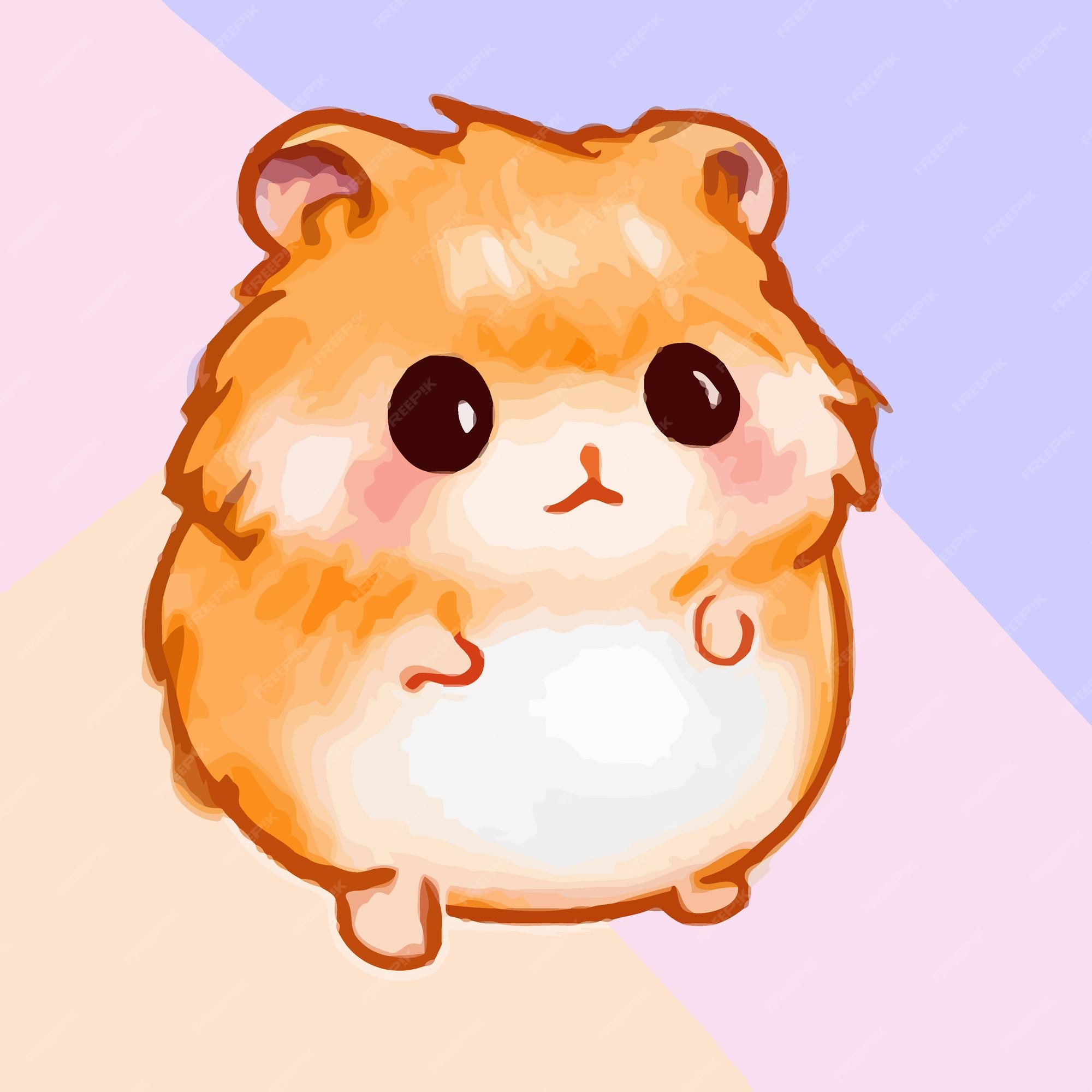
Top 99 hình ảnh chibi cute kawaii panda đẹp nhất tải miễn phí
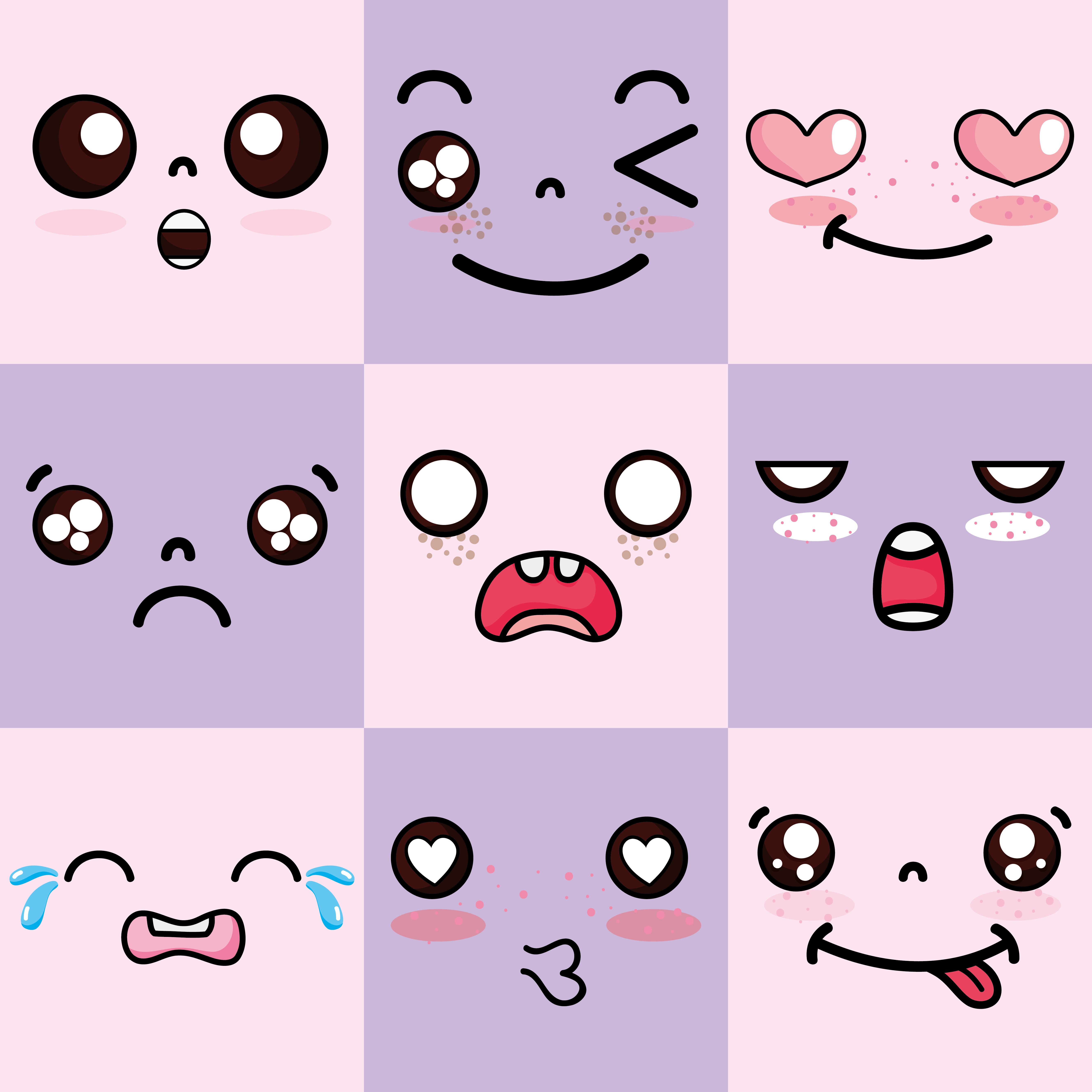
Kawaii

Cute Cat Drawings

Cute Dog illustration Dog kawaii chibi vector drawing style Dog cartoon

Custom chibi kawaii character Cute doodles, Cute easy doodles, Kitty
As A Cultural Style, Kawaii Is Characterized By Bright, Pastel Colors And Childlike, Cartoonish Imagery.
Kawaii Culture Is A Japanese Cultural Phenomenon That Celebrates Cuteness Through Embracing People, Objects, And Fictional Characters That Portray Youthful Innocence, Charm, Warmth, And.
'Cute' Or 'Adorable') Is A Japanese Cultural Phenomenon Which Emphasizes Cuteness, Childlike Innocence, Charm, And Simplicity.
Related Post: